
Crypto Trading Cards GameStop 2026 is a growing topic at the intersection of digital collectibles, trading cards, gaming culture, and cryptocurrency. In 2026, GameStop has expanded its focus on the collectibles market through Power Packs, a digital trading-card platform that lets collectors purchase digital packs and reveal real PSA-graded cards stored through the PSA Vault.
While GameStop has a connection to digital assets through its Bitcoin holdings, it is important to distinguish GameStop’s official trading-card products from unofficial cryptocurrency or “GME” tokens. GameStop does not currently issue an official cryptocurrency under the GME name.
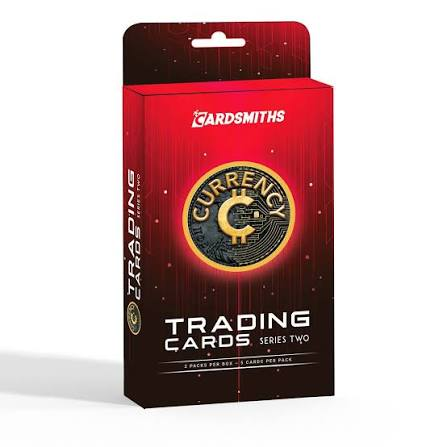
For collectors and crypto enthusiasts, the 2026 landscape is particularly interesting because digital ownership, physical collectibles, online marketplaces, and blockchain-based assets are increasingly being discussed together. GameStop’s Power Packs model provides a different approach: collectors can open digital packs, receive a PSA-graded physical card, and choose whether to keep, sell, or have the card shipped.
This guide explores what Crypto Trading Cards GameStop 2026 means, how GameStop’s current digital trading-card ecosystem works, how it differs from cryptocurrency collectibles, and what buyers and collectors should know before spending money.
Crypto trading cards. And if you’re a gamer, a collector, or just someone who remembers the crazy GameStop stock saga from a few years back, you’re probably wondering what all the fuss is about.
Well, 2026 is shaping up to be a massive year for this space. GameStop, of all companies, has thrown its hat into the ring, and it’s creating quite a stir.
But what exactly are crypto trading cards? Why is GameStop involved? And more importantly—should you care?
In this guide, I’m going to break it all down for you. No confusing blockchain jargon. No sales pitch. Just a straightforward look at what’s happening with crypto trading cards and GameStop in 2026, and whether this is something worth your time and money.
- Check now– Crypto Trading Cards Series 1
What Are Crypto Trading Cards?

Remember collecting Pokémon cards or baseball cards as a kid? You’d buy packs, hope for a rare holographic Charizard, and trade duplicates with your friends. The thrill was in the hunt, the rarity, and the community.
Crypto trading cards are basically that—but digital, and built on blockchain technology.
Instead of a physical piece of cardboard, your card exists as a digital token on a blockchain (usually Ethereum or a similar network). Each card is unique, verifiable, and can’t be duplicated. You can buy, sell, and trade them just like physical cards, but everything happens online.
Here’s the kicker, though: because they’re on the blockchain, you actually own them. Not like buying a skin in a video game that disappears if the game shuts down. You own the digital asset, and it’s yours forever (or until you sell it).
Think of it like this:
A regular digital collectible is like a poster in your room—you can look at it, but you don’t really control it. A crypto trading card is like owning the original painting. It’s authenticated, scarce, and has a verifiable history.
Why Is GameStop Getting Into Crypto Trading Cards?
This is where things get interesting.
If you followed the GameStop frenzy in early 2021, you know the company was on the ropes. Brick-and-mortar game stores were struggling, digital downloads were taking over, and the company seemed like it was heading for extinction.
Then came the Reddit army, the short squeeze, and a whole new lease on life for the company.
Fast forward to 2026, and GameStop has reinvented itself. Under new leadership, the company has pivoted hard into digital assets, blockchain technology, and Web3 gaming. Crypto trading cards are a big part of that strategy.
But why trading cards specifically?
1. It Taps Into Gaming Culture
GameStop’s core audience has always been gamers. And gamers love collecting things—skins, achievements, loot boxes, you name it. Crypto trading cards are a natural extension of that collector mentality.
2. It Leverages the Nostalgia Factor
Remember buying booster packs at GameStop as a kid? The company is betting that adult collectors with disposable income will pay premium prices for digital versions of the same thrill.
3. It Creates a Marketplace
GameStop isn’t just selling cards—they’re building a marketplace where people can buy, sell, and trade them. This creates an ecosystem that keeps people coming back and spending money.
4. It Positions Them for the Future
Blockchain and crypto aren’t going away. GameStop is positioning itself as a leader in this space, hoping to become the go-to destination for digital collectibles.
How Do Crypto Trading Cards at GameStop Actually Work?

Alright, let’s get practical. How does this whole thing work in real life?
Step 1: You Buy a Pack or a Single Card
GameStop sells crypto trading cards through their website and select physical stores. You can buy sealed packs (like traditional trading cards) or individual cards on their marketplace.
Packs usually cost anywhere from $5 to $50 depending on the series and the potential rarity of cards inside. Single cards can range from a few dollars to thousands, depending on scarcity and demand.
Step 2: You Open Your Pack (Digitally)
When you buy a digital pack, you “open” it through GameStop’s platform. The cards are revealed, and they’re minted on the blockchain. This means the cards are cryptographically secured, and their ownership is recorded on the chain.
Step 3: You Own the Cards
The cards go into your digital wallet. You can view them, list them for sale, or hold onto them and hope they increase in value.
Step 4: You Trade or Sell
GameStop’s marketplace allows you to list your cards for sale or trade with other collectors. You can set your own price or take offers from buyers.
Step 5: You Withdraw Your Funds
When you sell a card, the proceeds go into your connected wallet. You can leave it as crypto, convert it to USD, or use it to buy more cards.
Crypto Trading Cards GameStop: Real-World Example: How One Collector Made It Work
Let me tell you about Jake. Jake is a 32-year-old graphic designer from Ohio who started collecting crypto trading cards on GameStop last year.
He bought his first pack for $20 in late 2025. Inside, he pulled a rare limited-edition card featuring a legendary gaming character. He listed it on the marketplace for $150. A week later, it sold.
He reinvested the money into a few more packs. Over the next few months, he built up a collection worth around $500. He’s not quitting his day job, but he’s having fun, learning about crypto, and making a little side cash.
Today, Jake is more careful. He researches which series have the most potential, follows the community for trends, and treats it like a hobby that could turn into something more.
The Different Types of Crypto Trading Cards at GameStop
Not all crypto cards are the same. GameStop offers several different types, and each serves a different purpose.
1. Gaming Character Cards
These feature iconic characters from video games—think Mario, Master Chief, or characters from popular indie games. These are pure collectibles. Some are tied to special promotions or in-game bonuses.
2. Esports Athlete Cards
These are like digital sports cards, but featuring esports players and teams. They can be tied to real-world performance—like a card that increases in value if a player wins a tournament.
3. Game-Utility Cards
These are the most interesting type. They actually have a function within a specific game. For example, owning a certain card might unlock a special skin, a limited-edition weapon, or exclusive game content. These cards are hybrid—they’re collectible and functional.
4. Meme Cards
Let’s be honest—the crypto space loves its memes. GameStop has leaned into this, offering cards that are essentially memes immortalized on the blockchain. They’re popular, but they’re also the most volatile in terms of price.
5. Retro Cards
These pay homage to classic trading cards from the 90s and 2000s. They’re designed to look like old-school Pokémon or Magic: The Gathering cards but exist digitally. Nostalgia is a powerful selling point.
Pros and Cons of Getting Into Crypto Trading Cards at GameStop
Before you rush out to buy your first pack, let’s weigh the upsides and downsides.
Pros
| Pro | Why It’s Good |
|---|---|
| Real ownership | You actually own the digital asset—it’s on the blockchain, not in a game company’s database |
| Potential for profit | Rare cards can appreciate significantly in value over time |
| Community | GameStop has a huge, passionate community of collectors and traders |
| Fun factor | It’s genuinely exciting to open packs and discover rare cards |
| Low barrier to entry | You can start with as little as $5–$10 |
| Gaming integration | Some cards unlock actual in-game content |
| GameStop ecosystem | The company is investing heavily in this space, making it more likely to grow |
| Liquidity | You can sell your cards anytime on the marketplace |
Cons
| Con | Why It’s a Problem |
|---|---|
| Volatility | Card prices can crash just as fast as they rise |
| No guarantee of value | Not every card becomes valuable—many become worthless |
| Learning curve | You need to understand wallets, crypto basics, and marketplaces |
| Scams and fakes | While blockchain prevents fakes, bad actors still exist on marketplaces |
| Gas fees | Some blockchains charge high transaction fees for buying and selling |
| Limited use cases | Outside of GameStop’s ecosystem, most cards aren’t useful |
| Market saturation | Too many cards flooding the market can dilute value |
| No physical item | Some people still prefer holding something tangible |
The 2026 GameStop Crypto Trading Card Landscape
So what’s actually happening in 2026? Here’s the current state of play.
Major Partnerships
GameStop has partnered with several major blockchain platforms, gaming studios, and esports organizations. This gives them access to premium content and exclusive rights that other marketplaces don’t have.
In-Store Integration
In a move that surprised everyone, select GameStop stores now have physical displays where you can buy crypto trading cards just like you used to buy Pokémon cards. You scan a QR code, pay with your phone, and the cards are delivered directly to your digital wallet.
Seasonal Drops
Just like sneaker drops or limited-edition merchandise, GameStop now does seasonal drops- limited-time releases of specific card series. These create hype and can make prices skyrocket instantly.
Price Trends
In 2026, the market is more mature than it was in previous years. Prices aren’t as wild as the early days, but there’s still plenty of movement. Rare cards from popular series are consistently appreciating, while common cards often don’t hold value.
How to Get Started With GameStop Crypto Trading Cards in 2026
If you’re ready to jump in, here’s a step-by-step plan that won’t overwhelm you.
Step 1: Set Up a Digital Wallet
You can’t do anything without a wallet. GameStop supports several popular wallets like MetaMask, Coinbase Wallet, and Trust Wallet. Download one, create an account, and secure your recovery phrase (write it down, don’t screenshot it).
Step 2: Connect to GameStop’s Platform
On the GameStop website, you’ll find a section for crypto trading cards. Follow the prompts to connect your wallet. This ties your wallet to your GameStop account.
Step 3: Add Funds
You’ll need either crypto (like Ethereum) to buy cards, or you can buy directly with a credit card—GameStop has made this easier in 2026. Start small. Put in $20–$50 to test the waters.
Step 4: Research the Market
Before buying anything, browse the marketplace. See what’s selling, what’s not, and what prices are reasonable. Look for trends—are certain series climbing? Are new drops coming soon?
Step 5: Buy Your First Cards
Start with a single pack or a cheap single card you like. Don’t go for the super expensive stuff yet. Learn the process without risking much money.
Step 6: Manage Your Collection
Once you have cards, store them in your wallet. Use GameStop’s dashboard to track their estimated value. Decide whether you’re a holder (long-term) or a trader (short-term).
Step 7: List for Sale
If you want to sell, list your cards on the marketplace. Set a competitive price—you can always adjust later.
Step 8: Stay Informed
Follow the community on Reddit, Discord, and Twitter. The crypto trading card world moves fast, and staying updated is how you avoid mistakes.
Common Mistakes New Collectors Make
I’ve seen people lose a lot of money because they made these classic errors. Learn from them.
1. Paying Too Much Too Fast
It’s exciting to see a rare card and immediately buy it. But don’t. Check if the price is reasonable. Search the card’s history. Sometimes cards are artificially inflated by a few buyers.
2. Ignoring Gas Fees
When you buy on some blockchains, you pay transaction fees (gas fees). These can eat into your profits, especially on smaller transactions. Always factor them in.
3. Not Understanding Rarity
Not every limited card is valuable. Rarity alone doesn’t create value—popularity does. A rare card from an unpopular series is often worthless.
4. FOMO (Fear of Missing Out)
When a new drop happens, everyone rushes to buy. This inflates prices. Wait a few days or weeks—prices often settle down.
5. Using the Wrong Wallet
Some wallets aren’t compatible with GameStop’s platform. Double-check before you start.
6. Forgetting Your Wallet Password
I can’t stress this enough—if you lose access to your wallet, you lose access to your cards. No password reset. No customer support. Store your recovery phrase in a safe place.
7. Not Diversifying
Don’t put all your money into one card series. Spread out your purchases across different types and series.
FAQs About GameStop Crypto Trading Cards in 2026
1. Are GameStop crypto trading cards a good investment?
They can be, but they’re not guaranteed. Treat them like any other collectible—there’s potential for profit, but also risk. Only invest what you can afford to lose.
2. Do I need to know coding or blockchain to buy these cards?
Not at all. GameStop has made the process very user-friendly. It’s almost as simple as buying anything else online.
3. Can I transfer my GameStop cards to other platforms?
Yes and no. Your cards are on the blockchain, so they’re yours. But other platforms might not recognize the specific GameStop series. Always check compatibility.
4. What happens if GameStop goes bankrupt?
Your cards are on the blockchain, not on GameStop’s servers. Even if the company fails, you still own the digital assets. However, the marketplace might close, making it harder to trade.
5. Can I sell physical cards for crypto?
GameStop doesn’t offer this directly, but you can use third-party platforms to buy crypto with physical card sales.
6. Are crypto trading cards legal?
Yes, in most countries. However, regulations vary, especially around tax implications. Check your local laws.
7. How do I pay taxes on crypto trading card profits?
In many countries, profits from selling crypto assets are taxable. Keep records of all your transactions and consult a tax professional.
8. What if I accidentally send my card to the wrong address?
Unfortunately, blockchain transactions are irreversible. Triple-check any addresses before sending anything.
9. Can I buy GameStop crypto cards in physical stores?
Yes, select GameStop locations have kiosks where you can buy digital packs. You scan a QR code, and the cards go to your wallet.
10. What’s the best strategy for beginners?
Start small. Buy a few cheap packs or single cards. Learn the market. Don’t invest money you can’t afford to lose. Have fun with it—it’s still a hobby first.
The Future of GameStop Crypto Trading Cards
Looking ahead to late 2026 and beyond, here’s what industry watchers are predicting.
More Gaming Integrations
GameStop is working with major game developers to create cards that actually do things in games—unlock levels, give special abilities, or provide rare items.
Cross-Platform Compatibility
Right now, GameStop cards work mostly within GameStop’s ecosystem. There’s talk of making them compatible with other major marketplaces, which would increase liquidity and value.
Mainstream Adoption
As more people understand crypto, GameStop is positioned to be the entry point for millions of casual gamers who might not otherwise explore Web3.
Physical-to-Digital Bridges
There’s even talk of a system where you can scan physical cards (like old Pokémon cards) and get digital versions on the blockchain. This would blow up the market.
Regulatory Clarity
As governments figure out how to regulate crypto, GameStop will likely benefit from clearer rules, attracting institutional investors and more mainstream users.
Conclsion: Should You Get Into It?
Crypto trading cards at GameStop are exciting, fun, and have real potential. But they’re also risky, confusing at first, and not a guaranteed paycheck.
If you’re the kind of person who loves collecting, enjoys gaming, and doesn’t mind learning something new, I’d say go for it—but start small. Buy a $10 pack. See how it feels. Learn the ecosystem.
If you’re looking to make a quick buck, you might be disappointed. The market is volatile. People do make money, but plenty lose it too.
Think of it like this: it’s like buying scratch-off lottery tickets, but with better odds and a community of people who actually care about the product.
GameStop has come a long way since 2021. They’re not just a struggling game store anymore—they’re building something new. Whether it becomes the next big thing or a niche hobby remains to be seen.
But one thing’s for sure: in 2026, crypto trading cards at GameStop are one of the most interesting developments in the intersection of gaming, collecting, and blockchain.
Your move now? Do some research. Watch a few YouTube videos from real collectors. Check out GameStop’s marketplace without buying anything. Get comfortable first.

