
free VPN for Mac that works in China is one of the hardest problems in the VPN space. China’s Great Firewall — officially the Golden Shield Project — is the most sophisticated internet censorship system in the world. It actively detects and blocks standard VPN protocols, which means most free VPNs fail inside China.
This guide covers what actually works in 2026, why most free VPNs fail in China, and what your realistic options are as a Mac user.
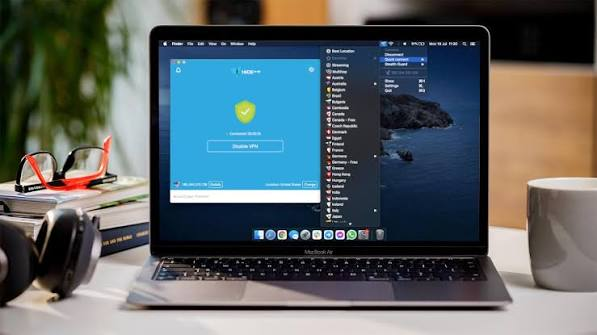
free VPN that works reliably on a Mac in China is more difficult than ever. Due to strict internet restrictions and frequent blocking of VPN services, many free apps either fail to connect or offer limited speeds and data. However, a few trusted VPN providers still offer free plans or free trials that can help you browse more securely, access essential websites, and protect your privacy on macOS.
Free Mac VPN for China: Explore the best free VPNs for Mac that work in China in 2026. You’ll learn which services offer the best reliability, speed, security, and ease of use, along with their limitations and compatibility with the latest versions of macOS. We’ll also explain how to choose a safe VPN, how to install it on your Mac, and what to do if your VPN stops working while you’re in China.
Why China Is Different From Every Other VPN Use Case

In most countries, a VPN just needs to encrypt your traffic and give you a different IP address. In China, that is not enough.
The Great Firewall uses several advanced techniques to detect and block VPNs:
Deep Packet Inspection (DPI) — China’s firewall analyzes the structure of your internet traffic at a packet level. Standard VPN protocols like OpenVPN and WireGuard have recognizable traffic signatures that DPI can identify and block, even when the content is encrypted.
IP blocking — The firewall maintains blocklists of known VPN server IP addresses. When a VPN provider adds new servers, China’s firewall often identifies and blocks those IPs within days or weeks.
Active probing — China’s firewall actively sends test packets to suspected VPN servers to confirm they are VPN endpoints. Servers that respond in a way consistent with VPN software get blocked.
DNS poisoning — Requests to VPN provider websites and domains are intercepted and redirected, making it difficult to even download VPN software while inside China.
This means that VPNs which work fine everywhere else — including most free VPNs — simply do not work in China. The VPN protocols need to be obfuscated (disguised to look like regular HTTPS traffic) to have any chance of working.
The Hard Truth About Free VPNs in China
Let’s be direct: there are no consistently reliable, completely free VPNs for China in 2026.
Here is why:
Obfuscation costs money — The technology required to disguise VPN traffic as regular HTTPS traffic (called obfuscation or steganography) is expensive to develop and maintain. Free VPN tiers rarely include this.
Server maintenance is expensive — Chinese authorities frequently block VPN server IP addresses. Maintaining a rotating pool of working servers requires constant work and significant infrastructure cost. Free plans do not generate enough revenue to support this.
The cat-and-mouse game is continuous — Every time a VPN finds a way through the firewall, China updates its detection systems. Staying ahead of this requires active engineering investment that free services cannot sustain.
Download problem — Many VPN websites are blocked in China. If you do not install a VPN before entering China, downloading one inside China is extremely difficult.
What you will find instead are:
- Free trials of premium VPNs (usually 7–30 days)
- Limited free tiers of premium VPNs that may or may not work in China
- Money-back guarantees that function as temporary free access
Options That Have a Chance of Working on Mac in China-Free Mac VPN for China
1. Astrill VPN (Free Trial Available)

Astrill is consistently ranked as one of the most reliable VPNs for China. It offers a 7-day free trial — no credit card required — and uses StealthVPN and OpenWeb protocols specifically designed to bypass the Great Firewall.
Astrill VPN is widely recognized as one of the most reliable VPN services for users in China. While it isn’t completely free, it offers a free trial in some regions and a money-back period that allows eligible users to test the service before committing to a subscription. Its advanced anti-censorship technology is designed to help maintain stable connections even on heavily restricted networks.
Astrill provides dedicated macOS apps that are easy to install and compatible with the latest MacBook models and Apple Silicon (M1, M2, M3, and newer) as well as Intel-based Macs. It offers multiple VPN protocols, including OpenWeb and StealthVPN, which are designed to improve connectivity in restrictive environments.
Why it works in China:
- StealthVPN protocol obfuscates traffic to look like regular HTTPS
- Constantly updated server list to stay ahead of IP blocks
- Dedicated China-optimized servers
- Maintained specifically for users in China with regular updates
macOS support: Full native Mac app available for macOS 12 and above.
Free trial: 7 days, no payment details required. Full access to all features during the trial.
After the trial: Astrill is expensive — approximately $12.50/month (around ₹1,040/month) on a one-year plan. There is no ongoing free tier.
Critical note: Download and install Astrill BEFORE entering China. Astrill’s website is blocked inside China and cannot be accessed without a working VPN.
2. ExpressVPN (30-Day Money-Back Guarantee)

ExpressVPN is one of the most reliable VPNs for China. It does not offer a traditional free trial, but its 30-day money-back guarantee gives you a month of use with full refund rights.
ExpressVPN is one of the most trusted premium VPN services for Mac users who need secure and reliable internet access in China. Although it doesn’t offer a free plan, its 30-day money-back guarantee lets you try the service with minimal risk. This makes it an excellent choice for travelers, students, business professionals, and anyone who wants premium VPN performance before making a long-term commitment.
The macOS app is easy to install and works seamlessly on both Intel-based Macs and Apple Silicon devices, including M1, M2, M3, and newer models. ExpressVPN offers fast global servers, advanced encryption, and proprietary VPN technology designed to deliver stable connections while protecting your online privacy. It also includes features such as a Kill Switch, split tunneling, and automatic connection options for a smooth browsing experience.
Why it works in China:
- Lightway protocol with obfuscation capabilities
- Dedicated servers optimized for China connections
- Rapid response to new firewall blocks — typically restores access within hours of a block
- 24/7 live chat support specifically for China users
macOS support: Full native Mac app, supports macOS 11 and above.
30-day guarantee: Pay upfront (~$8.32/month on annual plan, approximately ₹693/month), use it for up to 30 days, get a full refund if you request it. Functions as a free month.
Critical note: Download and install ExpressVPN before entering China. Set up at least two different server locations before arrival in case one gets blocked.
3. NordVPN (30-Day Money-Back Guarantee)
NordVPN uses its Obfuscated Servers feature to bypass China’s firewall. The obfuscated server mode disguises VPN traffic as normal traffic, making it harder for DPI to detect.
Why it works in China:
- Obfuscated servers specifically designed for restrictive regions
- NordLynx protocol (WireGuard-based) for fast speeds
- Regular server updates to maintain China access
- Double VPN option for extra security layer
macOS support: Full native Mac app.
30-day guarantee: Same structure as ExpressVPN — pay upfront and request a refund within 30 days if not satisfied.
Important: NordVPN’s China reliability has been inconsistent at times. Astrill and ExpressVPN have more consistent user reports from inside China in 2026.
4. Proton VPN Free (Limited Usefulness for China)
Proton VPN has a genuinely free tier with unlimited data — but its usefulness in China is limited.
The reality:
- Proton VPN Free does not include the Stealth protocol (Proton’s obfuscation feature)
- The Stealth protocol that can bypass China’s firewall is only available on paid plans
- Free plan servers are frequently detected and blocked by China’s firewall
- Some users report occasional success with Proton VPN Free in China; most report it fails
When it might work: If you are in China for a very short period and willing to try multiple servers, Proton VPN Free occasionally works — particularly with less aggressive censorship outside major cities. It is not reliable enough to depend on for work or essential communication.
macOS support: Full native Mac app.
Verdict on Proton VPN Free for China: Worth trying as a zero-cost option, but do not depend on it. Have a backup.
5. Lantern (Free, Peer-to-Peer Circumvention Tool)
Lantern is not a traditional VPN — it is an open-source censorship circumvention tool that uses peer-to-peer technology and domain fronting to bypass the Great Firewall.
What it does:
- Routes traffic through other users’ connections worldwide
- Uses domain fronting to disguise traffic
- Free tier with data limits (approximately 500MB/month on free plan)
- Paid tier removes data limits
macOS support: Available for macOS.
Why it sometimes works in China: Lantern uses techniques specifically designed for the China context and is actively maintained by a team focused on censorship circumvention. It has a track record in China.
Limitations: The free data limit is very small. Privacy is a concern — traffic routes through other users’ devices. Speed is inconsistent. Not suitable for video calls or streaming. Better for basic browsing and messaging.
Download: Available at getlantern.org. Download before entering China.
6. Tor Browser (Free, Very Slow)
The Tor network routes your traffic through multiple volunteer-operated relays, making it difficult to track and censor. Tor with bridges can sometimes bypass China’s firewall.
How to use Tor in China:
- Use Tor with Pluggable Transports (obfs4 or Snowflake bridges)
- Snowflake specifically is designed for highly censored environments
- Both are available in the Tor Browser settings
macOS support: Tor Browser is available for macOS.
Reality check: Tor in China is slow — significantly slower than a regular VPN. Standard Tor connections are blocked; you must configure bridges correctly. Not suitable for video calls, streaming, or anything requiring decent speed. Works for basic text browsing and messaging when set up correctly.
Download: torproject.org — download before entering China.
Critical Rules for Using VPNs in China
Download Everything Before You Enter China
This cannot be stressed enough. Once inside China, you cannot access:
- Most VPN provider websites
- App stores (Google Play Store is blocked)
- Tor Project website
- Many circumvention tool download pages
Before traveling to China, install:
- Your primary VPN app
- A backup VPN app
- Tor Browser with bridges configured
- Lantern as an emergency option
Test all of them from outside China to confirm they work.
Configure Multiple Server Options
Do not rely on a single server location. Configure at least 3–5 different server options before entering China. When one gets blocked, you can switch immediately without reconfiguring.
Keep Apps Updated
VPN providers regularly release updates that help bypass new firewall detection methods. Keep your VPN app updated — an outdated version may fail even if the service is working for other users.
Use Obfuscation Settings
In every VPN app, look for settings labeled:
- Obfuscation
- Stealth mode
- Camouflage mode
- Scramble
- NoBorderz
Enable these before connecting in China. Without obfuscation, standard VPN protocols will likely be detected and blocked.
Legal Considerations
For foreigners in China: The legal situation for foreign nationals using VPNs in China is different from that of Chinese citizens. Foreigners using VPNs for personal use have historically not been prosecuted. The regulations target VPN providers operating without government approval and Chinese nationals circumventing the firewall at scale. That said, the legal environment can change, and you should be aware that VPN use is technically unauthorized under Chinese law.
For Chinese nationals: VPN use by Chinese citizens is subject to stricter enforcement, particularly for those who publicly promote or distribute VPN access. Individual personal use occupies a grey area but carries more risk than use by foreign nationals.
This is not legal advice. Consult with a legal professional familiar with Chinese law if you have specific concerns about your situation.
Recommended Setup for Mac Users Visiting China in 2026
Here is a practical pre-travel checklist:
Primary VPN: Astrill (7-day free trial) or ExpressVPN/NordVPN (30-day money-back guarantee). Install, configure, and test before departure.
Backup option: Proton VPN Free (install and test — may or may not work, but zero cost).
Emergency backup: Lantern or Tor with Snowflake bridges. Configure Tor bridges before departure.
On your Mac:
- Install all apps before entering China
- Enable obfuscation/stealth mode in your VPN settings
- Save server configurations for 3–5 locations
- Note your VPN provider’s emergency mirror sites (some providers have alternative URLs for China access)
- Screenshot your VPN setup instructions in case you cannot access the internet normally
Communication apps to install before China:
- WhatsApp (blocked — use Signal or Telegram instead)
- Gmail (blocked — set up email backup)
- Google Maps (blocked — download offline maps via Apple Maps or Maps.me)
FAQs
Q: Can I download a VPN after I arrive in China?
It is very difficult. VPN provider websites are blocked. The Apple App Store in China does not carry most VPN apps. Some VPN providers have mirror download sites — get these URLs before traveling. Always install VPNs before entering China.
Q: Which free VPN works best in China on Mac in 2026?
There is no reliably free VPN that consistently works in China. Astrill’s 7-day free trial and ExpressVPN’s 30-day money-back guarantee are the closest to “free” options with a real chance of working. Among genuinely free options, Proton VPN Free occasionally works but is unreliable.
Q: Will a VPN slow down my internet in China?
Yes. Routing traffic through overseas servers adds latency. China’s international bandwidth is also limited, which adds to slowdowns. Expect speeds 30–70% slower than your base connection. For video calls, choose servers geographically close to China — Hong Kong, Japan, or Singapore servers typically offer the best speeds.
Q: Does Apple’s iCloud Private Relay work in China?
No. iCloud Private Relay is blocked in China. Apple disables it for users with Chinese Apple IDs, and it does not function as a VPN alternative in China.
Q: Is it safe to use a free VPN from an unknown provider in China?
No. Free VPNs from unknown providers in the China context are a significant security risk. Some are operated by entities that log and sell user data. Others may actually be operated by parties aligned with Chinese surveillance interests. Stick to established, audited providers.
Q: What if my VPN stops working while I’m in China?
Switch servers first. If that fails, try a different protocol within the app. If the app has an obfuscation or stealth setting, enable it. If all else fails, try your backup option (Lantern or Tor with Snowflake). Contact your VPN provider’s live support — most China-focused VPNs have 24/7 support for exactly this situation.
Conclsion
The honest answer to “free Mac VPN for China” in 2026 is: the free options have a low probability of working reliably, and the best approach is to use a premium VPN’s trial period or money-back guarantee as your “free” window.
Astrill’s 7-day trial and ExpressVPN’s 30-day guarantee give you the best chance of staying connected in China at zero net cost. Download before you go, configure multiple servers, enable obfuscation, and have a backup plan.
For anyone spending extended time in China — whether for work, study, or travel — investing in a paid VPN subscription is worthwhile. The cost of being disconnected from essential services, unable to reach colleagues or family, or working without access to the tools you depend on far exceeds the cost of a reliable VPN subscription.
Do not leave for China without a working VPN already installed on your Mac.

