
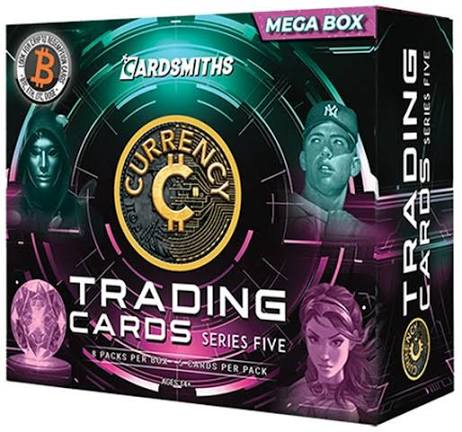
The market for crypto trading cards has matured significantly in 2026. What started as a niche hobby among early Bitcoin adopters has grown into a genuine collectibles category — with dedicated platforms, graded card markets, NFT-linked physical sets, and a growing secondary market where rare cards change hands for lakhs of rupees.
Crypto Trading Cards for Sale in 2026: Whether you’re a first-time buyer looking for an affordable starter set or a serious collector hunting limited-edition cards with real investment potential, this guide covers everything available for sale in 2026 — platforms, prices, what to buy, and what to avoid.
- Check now: Crypto Trading Cards GameStop 2026
Why Crypto Trading Cards Are Worth Buying in 2026
Before diving into where to buy, it helps to understand why crypto trading cards have become a legitimate collectible category rather than just a novelty.
Tangible meets digital: In a world where most crypto assets exist only as lines of code, physical crypto trading cards give collectors something real to hold, display, and trade. For many collectors, this tangibility adds emotional value that pure digital assets lack.
Historical documentation: The best crypto trading card sets document the history of blockchain technology — Bitcoin’s halvings, Ethereum’s upgrades, the rise and fall of major exchanges, key figures in crypto’s development. These cards become historical artifacts over time.
NFT-linked value: The most sophisticated crypto cards in 2026 come with embedded NFC chips or QR codes linking to verified NFTs on-chain. These cards are simultaneously physical collectibles and digital asset holders — two markets in one.
Growing secondary market: Platforms like eBay, Whatnot, and dedicated crypto collectible marketplaces now have active secondary markets for rare crypto cards. First-edition sets and low-mintage cards have appreciated significantly since their original release.
Community: The crypto card-collecting community is active, passionate, and growing — particularly among younger collectors who grew up with both trading cards and cryptocurrency.
Types of Crypto Trading Cards Available for Sale in 2026
Understanding the different categories of crypto cards helps you make smarter buying decisions.
Standard Collectible Sets
Mass-produced physical cards with crypto themes — Bitcoin history, Ethereum milestones, altcoin profiles, crypto memes. These are the most affordable entry point, typically sold in packs of 10–50 cards.
Price range: ₹200 – ₹2,000 per pack
Best for: Beginners, gifting, casual collecting
Limited Edition Series
Cards produced in limited quantities — often 100 to 10,000 copies globally — with serial numbers, holographic finishes, and certificates of authenticity. These form the backbone of the serious collector market.
Price range: ₹1,000 – ₹25,000 per card
Best for: Collectors building a curated collection with resale potential
NFT-Linked Physical Cards
Physical cards embedded with NFC chips or printed QR codes that link to verified NFTs on blockchains like Ethereum, Solana, or Polygon. Owning the card means owning the linked NFT.
Price range: ₹2,000 – ₹1,00,000+ per card
Best for: Serious collectors and investors comfortable with NFT markets
Graded Cards (PSA/BGS Slabbed)
Physical crypto cards that have been professionally graded by authentication services like PSA (Professional Sports Authenticator) or BGS (Beckett Grading Services) and sealed in tamper-evident plastic slabs with official grade scores (1–10).
Price range: ₹5,000 – ₹5,00,000+ depending on card and grade
Best for: High-value collectors treating cards as investments
Blockchain Game Cards
Cards from blockchain-based card games like Gods Unchained, Splinterlands, and similar titles. These exist as NFTs first and physical cards second — the physical version is often a premium collectible tied to a digital game asset.
Price range: ₹500 – ₹50,000+ depending on card rarity in-game
Best for: Gamers who collect and players who invest
Artist Series and Crypto Culture Cards
Limited edition cards featuring original artwork from crypto-native artists — often tied to NFT drops, community events, or crypto conferences. These are the most culturally significant cards in the hobby.
Price range: ₹1,500 – ₹2,00,000+
Best for: Art collectors and cultural investors
Best Platforms to Buy Crypto Trading Cards in 2026
1. Amazon India

Best for: Affordable starter packs delivered across India
Amazon India remains the most accessible platform for crypto trading card buyers in India. The selection has grown significantly — you’ll find everything from basic Bitcoin card sets to more elaborate collector packs from international brands.
What’s available:
- Bitcoin history card sets (50–100 cards)
- Crypto pioneer series featuring Satoshi, Vitalik, and other key figures
- Meme coin themed cards (Doge, Shiba Inu, Pepe)
- Ethereum milestone series
- Beginner starter packs for gifting
Price range on Amazon India: ₹299 – ₹3,999
Delivery: Pan-India, Prime delivery available on most listings
Payment: UPI, credit/debit card, EMI available on higher-value sets
What to check: Seller rating, return policy, product images showing actual cards, not renders
Search terms that work on Amazon India:
- “Bitcoin trading cards”
- “Crypto collectible cards”
- “Blockchain trading cards India”
- “Cryptocurrency card set”
2. eBay (International — Ships to India)

Best for: Rare, vintage, and graded crypto cards
eBay is the world’s largest secondary market for trading cards of all kinds — and crypto cards are no exception. If you’re looking for first-edition sets, graded PSA cards, or specific rare cards you can’t find domestically, eBay is the go-to platform.
What’s available:
- PSA-graded crypto cards (grades 7–10 command serious premiums)
- First-edition Bitcoin card sets from 2020–2022
- Rare artist-series cards from crypto conferences
- Complete sets in original packaging
- Individual ultra-rare cards
Price range: $10 – $5,000+ (₹850 – ₹4,20,000+)
Shipping to India: Available from most US and UK sellers — typically $15–$40 shipping
Customs duty: Applicable on imports above ₹5,000 — factor this into total cost
Payment: International credit card or PayPal required
Pro tip for Indian buyers on eBay: Filter by “Ships to India” to avoid disappointment. Many US sellers ship internationally but not all. Use the global shipping program listings for smoother customs clearance.
3. Whatnot (Live Auction Platform)

Best for: Live auction excitement, rare finds, community interaction
Whatnot has become one of the most exciting platforms for trading card collectors globally — including crypto cards. Sellers host live video auctions where cards sell in real time, often at prices below comparable eBay listings due to the auction format.
What’s available:
- Live breaks of sealed crypto card packs
- Individual rare card auctions
- Graded card sales
- Artist-series limited editions
Price range: Varies wildly — from $5 starter cards to $1,000+ for rare graded pieces
Shipping to India: Available from select sellers
Experience: Highly interactive — you can chat, ask questions, and bid in real time
For Indian buyers: Time zones are a challenge — most active Whatnot streams run during US evening hours (India time: early morning). Worth setting reminders for specific sellers or card categories you follow.
4. OLX India
Best for: Second-hand deals from local Indian collectors
OLX has an underappreciated but active trading card community. Indian collectors who want to sell or upgrade their collections list cards here — often at prices below what you’d pay internationally.
What’s available:
- Second-hand crypto card sets in good condition
- Partial collections from collectors downsizing
- Occasionally, rare imported cards at competitive prices
Price range: ₹200 – ₹15,000 (significant variation)
How to search: “Crypto cards,” “Bitcoin cards,” “trading cards” + your city name
Safety tip: Always meet in a public place for local transactions. For higher-value cards, ask for photos with today’s newspaper (proof of current possession) before paying.
5. Facebook Marketplace
Best for: Hyperlocal deals, collector-to-collector trades
Facebook Marketplace has a growing trading card community in India’s major cities. The advantage here is direct communication with sellers — you can negotiate, ask for additional photos, and arrange local meetups.
What’s available:
- Individual cards from collectors trading up or liquidating
- Starter sets from casual collectors who lost interest
- Occasionally, sealed packs from importers testing the market
Price range: ₹150 – ₹10,000
How to find: Search “crypto trading cards” or “Bitcoin cards” in Facebook Marketplace with your location set
6. Telegram and Discord Communities
Best for: Peer-to-peer trading, exclusive drops, community pricing
India’s crypto and NFT communities on Telegram and Discord have active card trading channels. This is where you’ll find the most motivated buyers and sellers — collectors who know exactly what they have and what it’s worth.
Active communities to find:
- Search Telegram: “crypto cards India,” “NFT collectibles India,” “Bitcoin cards collectors”
- Join Discord servers for Gods Unchained, Splinterlands, and major NFT projects
- Reddit: r/india_crypto and r/CryptoCollectibles have active Indian member bases
Advantages: Direct access to knowledgeable collectors, fair community pricing, early access to new drops
Risks: Always verify sellers, use trusted payment methods, never send payment before seeing proof of card
7. Crypto.com NFT Marketplace
Best for: NFT-linked physical card combos
Crypto.com’s NFT marketplace features physical + digital combo collectibles — you buy the NFT and receive a physical card shipped to your address. For Indian buyers, shipping availability depends on the specific drop.
What’s available:
- Official Crypto.com branded collectible cards
- Partnership drops with crypto projects and artists
- Limited edition series tied to major crypto events
Payment: Crypto.com’s CRO token or credit card
Shipping to India: Available on select drops — check individual listing details
8. OpenSea and NFT Marketplaces (Digital + Physical Combos)
Best for: NFT-linked cards with on-chain verification
For collectors interested in the NFT-linked category specifically, OpenSea and similar marketplaces (Blur, Magic Eden) list physical card projects where the NFT serves as the deed of ownership for a physical card.
How it works:
- You buy the NFT on-chain
- The project ships the physical card to your registered address
- Selling the NFT transfers ownership of the physical card claim
Payment: ETH, SOL, or other crypto
For Indian buyers: Crypto purchases for NFTs are subject to India’s 30% VDA tax on gains and 1% TDS on transactions above ₹50,000. Consult a CA before making significant NFT purchases.
What Are Crypto Trading Cards Selling for in 2026?
Here’s a realistic price guide based on current market data:
| Card Type | Condition | Price Range (INR) | Where to Find |
|---|---|---|---|
| Basic starter pack (common) | New | ₹200 – ₹800 | Amazon India, Flipkart |
| Mid-tier collector set (50 cards) | New | ₹1,000 – ₹3,999 | Amazon India, eBay |
| Limited edition single card | New/Sealed | ₹2,000 – ₹15,000 | eBay, Whatnot |
| NFT-linked physical card | New | ₹3,000 – ₹75,000 | Crypto.com, OpenSea |
| PSA 9 graded card | Certified | ₹8,000 – ₹50,000 | eBay, Whatnot |
| PSA 10 graded rare card | Gem Mint | ₹25,000 – ₹5,00,000 | eBay, Whatnot |
| First edition Bitcoin set (2020) | Sealed | ₹15,000 – ₹1,00,000 | eBay |
| Artist series signed card | New/Signed | ₹10,000 – ₹2,00,000 | Whatnot, community |
Most Sought-After Crypto Trading Cards for Sale in 2026
Bitcoin Genesis Series
Cards documenting Bitcoin’s early years — the 2009 genesis block, early mining era, first pizza transaction. First-edition sets from reputable publishers in sealed condition are among the most valuable crypto cards available.
Satoshi Nakamoto Cards
Cards featuring Bitcoin’s anonymous creator remain the most mythologized in the hobby. The mystery of Satoshi’s identity adds cultural weight that makes these cards perennially desirable.
Vitalik Buterin Ethereum Series
Cards featuring Ethereum’s founder, particularly those tied to major Ethereum milestones (ETH 2.0 merge, EIP-1559), are consistently popular among the Ethereum community.
Crypto Exchange Hall of Fame
Cards featuring the founders and key figures of major exchanges — CZ (Binance), SBF (FTX — these have dark collector appeal post-collapse), Brian Armstrong (Coinbase). The FTX collapse cards have become particularly sought-after as historical artifacts.
Bitcoin Halving Commemorative Cards
Special edition cards released around Bitcoin’s halving events (2020, 2024) tend to appreciate over time as the halving becomes more historically significant.
CryptoPunks and Bored Ape Physical Cards
Physical card representations of iconic NFT collections — where the card links via NFC to an actual CryptoPunk or BAYC NFT. These are among the highest-value cards in the hobby.
How to Avoid Fake Crypto Trading Cards
The growing popularity of crypto trading cards has attracted counterfeiters. Here’s how to protect yourself:
For physical cards:
- Buy from established sellers with verifiable track records
- Check for holographic security features on premium cards
- Serial numbers should match certificates of authenticity
- For graded cards, verify PSA or BGS grades at psacard.com or beckett.com using the certification number on the slab
For NFT-linked cards:
- Verify the NFT contract address on a blockchain explorer (Etherscan for Ethereum, Solscan for Solana)
- Scan the QR code or NFC chip before completing purchase
- Confirmed NFT ownership should match the card’s claimed token ID
For online purchases:
- Only buy from sellers with established feedback histories
- Use PayPal Goods & Services or a credit card for buyer protection on international purchases
- Request additional photos and videos of the actual card before paying
- For high-value purchases, ask for a video of the card being held with today’s date visible
Are Crypto Trading Cards a Good Investment in 2026?
The honest answer: it depends on what you buy and how long you hold.
What has appreciated:
- First-edition sealed sets from reputable publishers (2019–2021 era)
- PSA 10 graded cards of significant crypto figures
- NFT-linked cards tied to projects that maintained value (CryptoPunks, BAYC)
- Cards from events with clear historical significance (Bitcoin halvings, Ethereum merge)
What has not appreciated:
- Mass-produced novelty cards with no scarcity
- Cards tied to failed crypto projects or collapsed exchanges (except FTX cards, which have dark collectible appeal)
- Low-quality print-on-demand cards with no authentication
General investment principles for crypto cards:
- Scarcity drives value — look for low mint counts and serial numbers
- Authenticity matters — graded cards command significant premiums
- Cultural significance compounds over time — cards tied to Bitcoin milestones age well
- Treat it as a 3–5 year minimum hold for appreciating assets
Important disclaimer: Crypto trading cards are collectibles, not regulated financial instruments. Like any collectible, values can go up or down. Never invest more than you can afford to lose entirely.
Frequently Asked Questions
Q: Where can I buy crypto trading cards for sale in India in 2026?
Amazon India is the easiest starting point for affordable sets. For rare and graded cards, eBay and Whatnot are the best international options. OLX and Telegram communities offer local peer-to-peer buying options.
Q: What is the cheapest crypto trading card available in 2026?
Basic starter packs start at ₹200–₹299 on Amazon India and Meesho. Individual common cards from collectors on OLX can be even cheaper.
Q: Are crypto trading cards a good investment?
Limited edition, graded, and NFT-linked cards tied to historically significant crypto events have shown appreciation. Mass-produced novelty cards have minimal investment value. Always buy what you genuinely enjoy collecting — treat appreciation as a bonus, not a guarantee.
Q: How do I know if a crypto trading card is authentic?
Check for holographic security seals, serial numbers, certificates of authenticity, and — for NFT-linked cards — verify the on-chain NFT. For high-value purchases, buy only PSA or BGS-graded cards with verifiable certification numbers.
Q: Can I sell crypto trading cards in India?
Yes. OLX, Facebook Marketplace, and Telegram collector communities are the best domestic selling platforms. For international buyers, eBay and Whatnot reach the largest audiences.
Q: Are there any Indian crypto trading card publishers?
The Indian crypto card market is still primarily import-driven in 2026. A small number of indie creators and NFT artists are producing India-specific crypto card sets — watch Telegram communities and Instagram for announcements.
Q: Do I need to pay tax on crypto trading card sales in India?
Physical crypto trading card sales are treated as collectible sales — standard capital gains tax applies on profits. NFT-linked card transactions involving crypto payments may be subject to the 30% VDA tax. Consult a CA for specific guidance.
Q: What is a PSA graded crypto trading card?
PSA (Professional Sports Authenticator) is the world’s leading card grading service. They authenticate and grade cards on a 1–10 scale, then seal them in tamper-evident plastic slabs. PSA 10 (Gem Mint) is the highest grade and commands the largest price premiums.
Q: Which crypto trading cards are most valuable in 2026?
First-edition Bitcoin genesis series cards, PSA 10 graded Satoshi Nakamoto cards, NFT-linked CryptoPunk physical cards, and Bitcoin halving commemorative sets are among the most valuable. Condition, scarcity, and cultural significance drive value.
Q: Can I buy crypto trading cards with UPI in India?
For domestic platforms like Amazon India, OLX, and Flipkart — yes, UPI works. For international platforms like eBay and Whatnot, you’ll need an international credit card or PayPal account.
Conclsion
The crypto trading card market in 2026 offers something for every type of collector — from ₹299 starter packs on Amazon India to six-figure graded rarities on eBay. The key is knowing what you’re buying and why.
For casual collectors and gift buyers, Amazon India is your starting point. For serious collectors building a portfolio with real value, focus on limited edition sets, PSA graded cards, and NFT-linked physical cards from established publishers. For the best deals on rare finds, eBay, Whatnot, and India’s Telegram collector communities are where the action is.
The market is still early enough in India that smart buyers can get ahead of mainstream demand. The cards documenting crypto’s history today will be tomorrow’s most sought-after collectibles.

