
So you’ve decided to take your crypto seriously. Maybe you’ve been leaving your Bitcoin on an exchange, and someone finally told you, “not your keys, not your coins.” Or maybe you’re new to this and want to start on the right foot. Either way, picking the right crypto wallet in 2026 matters more than ever.
This guide cuts through the noise. No fluff, no jargon overload — just honest, practical information to help you find the best crypto wallet for your situation.
The best crypto wallet 2026 offers strong security, multi-chain support, easy access, and full control for beginners and experienced users.
What Is a Crypto Wallet, Really?

Before jumping into recommendations, let’s clear up a common misconception. A crypto wallet doesn’t actually store your crypto. Your Bitcoin, Ethereum, or any other token lives on the blockchain. What a wallet stores is your private key — the password that proves you own those assets and lets you move them.
Think of it like this: your crypto is a safe deposit box at a bank (the blockchain), and your private key is the one key that opens it. Lose the key, lose access forever. Hand the key to someone else, and they can take everything.
This is why choosing a wallet isn’t just about convenience — it’s about security.
Types of Crypto Wallets in 2026
Wallets generally fall into two big categories: hot wallets (connected to the internet) and cold wallets (offline). Each has its place.
Hot Wallets are software-based — apps on your phone or browser extensions. They’re convenient for daily use, swapping tokens, and interacting with DeFi apps. The tradeoff is that being online makes them more vulnerable to hacks.
Cold Wallets are hardware devices, like a USB stick, that store your private keys completely offline. They’re the gold standard for security. Unless you’re actively trading, this is where long-term holdings should live.
There’s also a third type worth mentioning: custodial wallets, offered by exchanges like Coinbase or Binance. Here, the exchange holds your keys on your behalf. This is the “bank account” model. Easy, but you’re trusting them completely.
The Best Crypto Wallet 2026
Here’s a breakdown of the top options based on security, usability, supported coins, and overall trust in the crypto community.
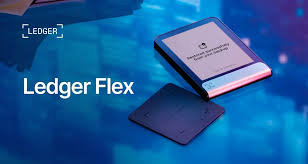
1. Ledger Flex — Best Hardware Wallet Overall
Ledger has been the go-to hardware wallet brand for years, and the Ledger Flex continues that reputation. It features a secure touchscreen, supports over 5,000 coins, and integrates with Ledger Live — a desktop and mobile app where you can manage your portfolio, buy crypto, and stake assets.
Practical example: You hold $15,000 in Ethereum and some Solana. You don’t touch it for months. A hardware wallet like the Ledger Flex is exactly where this should sit. It’s offline, you’ve written down your recovery phrase and stored it somewhere safe, and nobody can access it without the physical device and your PIN.
Pros:
- Industry-leading security with certified secure element chips
- Supports a massive range of cryptocurrencies
- Ledger Live app is clean and easy to use
- Good for NFTs and DeFi when connected to MetaMask
Cons:
- Costs money (around $149–$249 depending on model)
- Ledger had a customer data breach in 2020 — the devices themselves weren’t compromised, but user emails/addresses were leaked.
- Slightly intimidating for total beginners
- Not ideal for frequent trading due to the extra steps involved
Best for: Long-term holders, anyone with significant crypto assets.
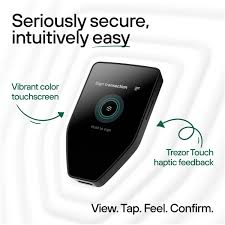
2. Trezor Safe 5 — Best for Open-Source Advocates
Trezor is Ledger’s biggest competitor, and the Safe 5 is their flagship in 2026. What sets Trezor apart is that its firmware is fully open-source — meaning security researchers worldwide can audit the code for vulnerabilities. For privacy-focused users, this transparency is a big deal.
Practical example: You’re a developer who believes in open-source everything. You want to verify the code running on your wallet yourself, or at least know someone has. Trezor is the natural choice.
Pros:
- Fully open-source firmware — highly trusted in security circles
- Clean and beginner-friendly setup process
- Supports Bitcoin, Ethereum, and 8,000+ assets
- Trezor Suite (desktop app) is polished and intuitive
Cons:
- Slightly more expensive than some competitors
- Doesn’t have a secure element chip in older models (Safe 5 does, but it’s worth checking model details)
- Fewer DeFi integrations compared to Ledger
Best for: Security researchers, privacy advocates, long-term Bitcoin holders.
3. MetaMask — Best Hot Wallet for Ethereum and DeFi
If you’ve spent any time in DeFi, you’ve heard of MetaMask. It’s the dominant browser extension wallet for the Ethereum ecosystem. In 2026, it will also have a solid mobile app and will have expanded support for other EVM-compatible chains like Arbitrum, Base, and Polygon.
Practical example: You’re using a decentralized exchange like Uniswap to swap tokens, or you want to mint an NFT on OpenSea, or you’re yield farming on Aave. MetaMask is what connects your wallet to these apps with one click.

Pros:
- Free and easy to set up
- Works seamlessly with thousands of dApps
- Supports all EVM-compatible blockchains
- Can be paired with a hardware wallet for added security
Cons:
- Hot wallet — vulnerable to phishing attacks if you’re not careful
- Not great for non-EVM chains (Bitcoin, Solana, etc.)
- Has been targeted by scammers due to its popularity
- Customer support is limited
Best for: DeFi users, NFT collectors, anyone building in Web3.
4. Phantom — Best Wallet for Solana Users
Phantom started as a Solana-only wallet and has since expanded to Ethereum and Bitcoin. But its Solana experience remains best-in-class. The UI is clean, swaps are smooth, and NFT support is excellent.
Practical example: You’re holding SOL, buying Solana-based NFTs, or using Solana DeFi apps like Jupiter Exchange. Phantom is the smoothest experience for all of this.
Pros:
- Beautiful, user-friendly interface
- Built-in token swaps and staking
- Excellent NFT gallery and management
- Strong Solana ecosystem integration
Cons:
- Hot wallet, so not ideal for large long-term holdings
- Relatively newer compared to MetaMask — smaller track record
- Multi-chain support is improving, but not as deep as MetaMask for Ethereum
Best for: Solana users, NFT enthusiasts, DeFi participants on Solana.
5. Trust Wallet — Best All-in-One Mobile Wallet
Trust Wallet is owned by Binance but operates independently. It’s a mobile-first wallet that supports a staggering number of chains and tokens, making it popular with users who hold a diverse portfolio.
Practical example: You hold Bitcoin, BNB, Polygon, and a handful of smaller altcoins. You want one app that handles all of them without needing separate wallets. Trust Wallet does this well.

Pros:
- Supports 100+ blockchains and millions of tokens
- Clean mobile interface
- Built-in browser for dApps
- Free to use
Cons:
- Owned by Binance, which some users prefer to avoid for decentralization reasons
- Hot wallet — security depends heavily on your phone’s security
- Customer support can be slow
- Some users have reported issues with the built-in browser on certain dApps
Best for: Mobile-first users with diverse multi-chain portfolios.
6. Exodus — Best for Beginners
Exodus is probably the most beginner-friendly crypto wallet available. The interface is gorgeous, the onboarding is smooth, and it supports over 300 assets. It works on desktop and mobile.
Practical example: Your friend just bought their first Bitcoin and wants a simple, non-intimidating place to move it off an exchange. Exodus is what you recommend.

Pros:
- Stunningly simple and beautiful interface
- Great for beginners with no technical knowledge
- Built-in exchange and portfolio tracker
- 24/7 customer support (rare for a crypto wallet)
Cons:
- Not open-source (which concerns advanced users)
- Hot wallet
- Exchange rates within the app can be slightly higher than external DEXes
- Not ideal for power users who need deep DeFi access
Best for: Beginners, casual holders, people who prioritize design and ease of use.
Quick Comparison Table
| Wallet | Type | Best For | Cost | Open Source |
|---|---|---|---|---|
| Ledger Flex | Hardware (Cold) | Long-term security | ~$149+ | Partial |
| Trezor Safe 5 | Hardware (Cold) | Open-source purists | ~$169+ | Yes |
| MetaMask | Software (Hot) | Ethereum/DeFi | Free | Yes |
| Phantom | Software (Hot) | Solana ecosystem | Free | Partial |
| Trust Wallet | Software (Hot) | Multi-chain mobile | Free | Yes |
| Exodus | Software (Hot) | Beginners | Free | No |
How to Choose the Right Wallet for You
Ask yourself these questions:
How much crypto do you hold? If it’s a small amount you’re actively trading, a hot wallet is fine. If you’re holding anything you’d be upset to lose overnight, consider a hardware wallet.
What chains do you use? If you’re only in Ethereum and DeFi, MetaMask is a natural choice. Solana-heavy? Phantom. Diverse portfolio? Trust Wallet or Exodus.
How technical are you? If setup guides intimidate you, start with Exodus. If you’re comfortable with seed phrases and want maximum control, Trezor or Ledger.
Are you using DeFi? You’ll need a hot wallet regardless, but you can connect it to a hardware wallet for security — use MetaMask as the interface, but store the keys on a Ledger.
Security Tips Every Crypto User Should Follow in 2026
Whichever wallet you choose, these habits protect you:
Write your seed phrase on paper (or metal) and store it somewhere safe offline. Never photograph it. Never type it into any website.
Never share your private key or seed phrase with anyone — ever. No legitimate wallet, exchange, or support team will ever ask for it.
Use a hardware wallet for large holdings. The $150 cost is cheap insurance if you’re holding thousands of dollars.
Bookmark wallet websites. Phishing sites that look identical to MetaMask or Phantom are a constant threat. Always navigate directly.
Keep your wallet software updated. Security patches matter.
Frequently Asked Questions
Is it safe to keep crypto on an exchange in 2026?
It’s convenient, but not ideal for large amounts. Exchanges can get hacked, go bankrupt, or freeze withdrawals. If you own more than you’d be comfortable losing overnight, move it to a personal wallet.
Can I use more than one wallet?
Absolutely. Most experienced crypto users do. A common setup: hardware wallet for long-term holdings, MetaMask for DeFi interactions, and a mobile wallet for spending.
What happens if I lose my hardware wallet?
You can recover your funds using your seed phrase on a new device. The seed phrase is the wallet — the hardware is just a way to access it. Keep that phrase safe.
Are free wallets safe?
Many of the best wallets are free (MetaMask, Phantom, Trust Wallet). Free doesn’t mean unsafe. The key factor is whether the wallet is reputable, open-source, and widely audited.
What’s the best crypto wallet for Bitcoin specifically?
For Bitcoin-only holders, Trezor is arguably the best choice. It has the deepest Bitcoin heritage, excellent open-source credentials, and Bitcoin support is rock solid.
Do I need a different wallet for each blockchain?
Not always. Multi-chain wallets like Trust Wallet and Exodus support many chains in one place. But for specific ecosystems (Ethereum DeFi, Solana), dedicated wallets often have a better experience.
What if I forget my wallet PIN or password?
Your seed phrase is your master recovery tool. As long as you have those 12 or 24 words, you can always recover access. This is why keeping them safe is the single most important thing you can do.
Conclsion
There’s no single “best” crypto wallet that works for everyone. It really comes down to your needs:
For maximum security, go with Ledger Flex or Trezor Safe 5. For Ethereum and DeFi, MetaMask is the clear winner. For Solana, nothing beats Phantom right now. For a beginner just getting started, Exodus makes the learning curve feel manageable.
And remember — no matter which wallet you choose, the most important step is taking control of your keys. That’s the whole point. Don’t leave your crypto sitting on an exchange indefinitely. Move it to a wallet where you hold the keys, write down your recovery phrase, store it somewhere safe, and sleep a little better at night.
The crypto space moves fast, but the fundamentals haven’t changed: your keys, your coins.

